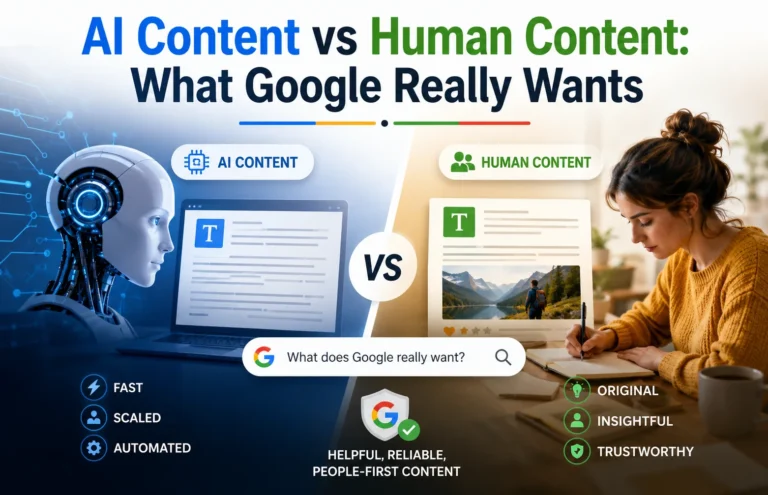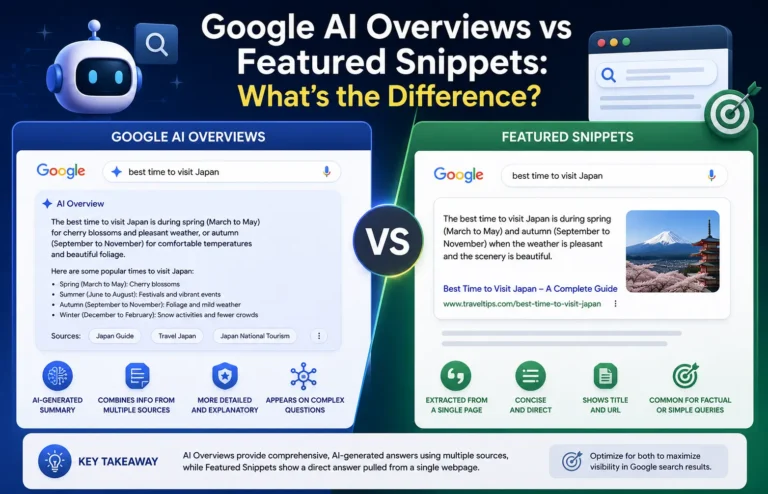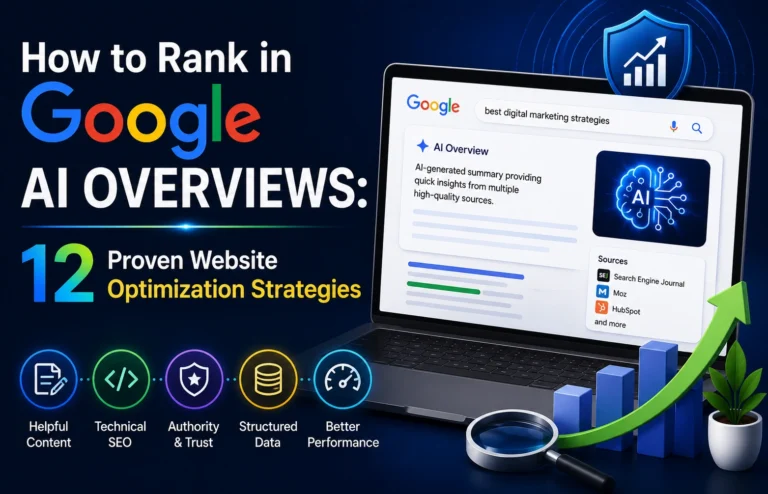
An AI-ready website is a website that helps both people and AI search systems easily understand your business, services, and expertise. It includes clear content, strong technical performance, structured data, fast loading speed, and trust signals that improve visibility in AI-powered search results.
As search technology changes, businesses need more than a visually attractive website. Today, customers are using AI tools to find answers, compare brands, and make buying decisions. If your website is difficult for AI systems to understand, you may miss valuable opportunities.
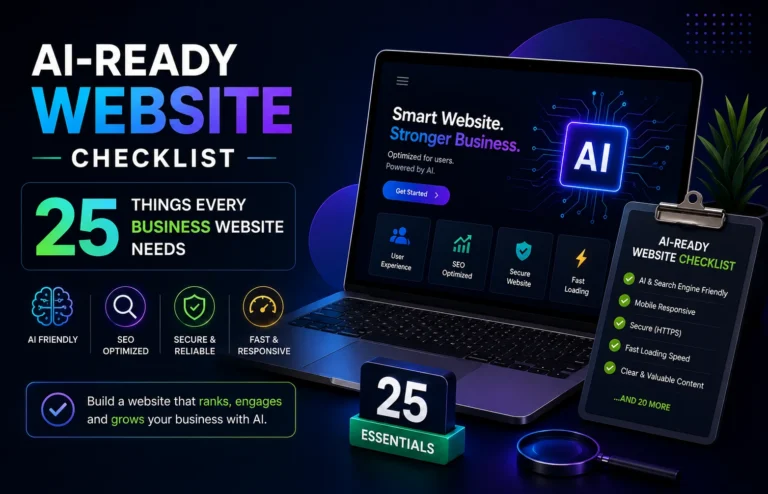
This AI-ready website checklist covers the important elements every business website needs to stay competitive.
Why Does Your Business Website Need To Be AI-Ready?
An AI-ready website improves your chances of appearing in AI-generated answers, search results, and recommendations.
AI platforms look for websites that provide:
- Clear and accurate information
- Helpful answers to customer questions
- Strong authority and trust
- Easy-to-understand content
- Good user experience
A properly optimized website helps AI understand your business and recommend your services to the right audience.
AI-Ready Website Checklist: 25 Essential Elements
1. Clear Business Information
What should every business website clearly show?
Every website should include accurate business details such as:
- Business name
- Services offered
- Location
- Contact information
- Working hours
Clear information helps customers and AI systems understand your business quickly.
2. Create a Strong Homepage
Your homepage should answer three important questions:
- Who are you?
- What do you offer?
- Why should customers choose you?
A confusing homepage can increase visitors leaving your website without taking action.
3. Use Simple Website Navigation
A well-organized website structure helps visitors find information faster.
Your navigation should include important pages like:
- Home
- About Us
- Services
- Blog
- Contact
Simple navigation also helps search engines crawl your website better.
4. Make Your Website Mobile-Friendly
Why is mobile optimization important for AI-ready websites?
Because most users search from mobile devices, your website must provide a smooth experience on smartphones and tablets.
A responsive design improves:
- User experience
- Search performance
- Conversion rates
5. Improve Website Speed
Website speed affects both users and search engines.
A fast website should:
- Load quickly
- Use optimized images
- Avoid unnecessary scripts
- Have reliable hosting
Slow websites can reduce engagement and trust.
6. Publish Helpful Content
What type of content helps AI understand your website?
Content that answers real customer questions works best.
Create content that is:
- Useful
- Original
- Easy to read
- Based on customer needs
Avoid writing content only to include keywords.
7. Add FAQ Sections
FAQ sections are one of the best ways to improve AEO performance.
They help answer common customer questions like:
- What services do you provide?
- How does your process work?
- Why should I choose your company?
AI search systems often use direct answers from FAQ content.
8. Optimize Content With Question-Based Keywords
People search differently today. Instead of only typing keywords, they ask complete questions.
Examples:
- “What is the best SEO strategy?”
- “How can I improve my website ranking?”
Create content that matches these conversational searches.
9. Use Proper Heading Structure
Headings help users and AI understand your content.
Use:
- H1 for the main topic
- H2 for important sections
- H3 for supporting points
A clear structure improves content understanding.
10. Add Schema Markup
What is schema markup?
Schema markup is code that helps search engines understand your website information.
Useful schema types include:
- Organization Schema
- Local Business Schema
- FAQ Schema
- Review Schema
- Product Schema
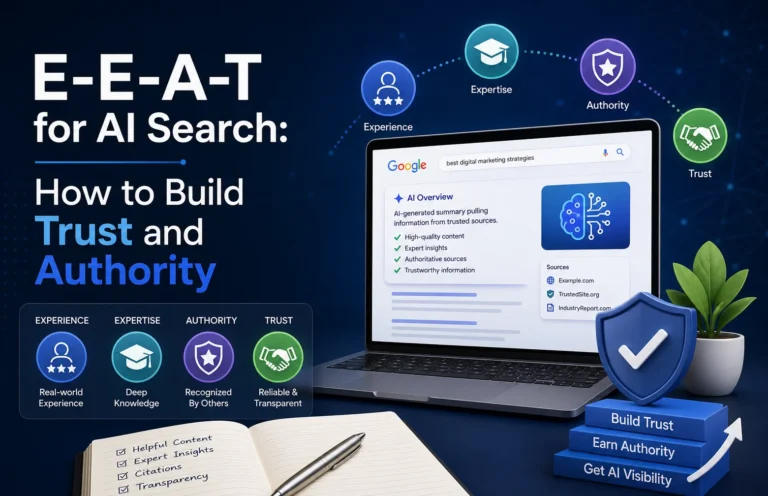
11. Build Strong E-E-A-T Signals
AI systems prefer websites that show experience and credibility.
Improve trust with:
- Expert-written content
- Customer reviews
- Case studies
- Author information
- Company details
12. Create Service Pages With Detailed Information
Each service should have its own dedicated page.
A good service page should explain:
- What the service is
- Benefits
- Process
- FAQs
- Why choose your business
13. Add Customer Reviews and Testimonials
Reviews help users trust your business.
They also provide AI systems with signals about:
- Customer satisfaction
- Business reputation
- Service quality
14. Keep Business Information Consistent
Your business details should match across:
- Website
- Google Business Profile
- Online directories
- Social platforms
Consistency improves trust and local visibility.
15. Optimize Images for Search
Images should include:
- Descriptive file names
- Alt text
- Proper size
This helps search engines understand visual content.
16. Use Internal Linking
Internal links connect related pages on your website.
They help:
- Users discover more information
- Search engines understand your content
- AI systems identify topic relationships
17. Create Authoritative Blog Content
Blogs help answer customer questions and build industry authority.
Focus on:
- Educational guides
- How-to articles
- Industry updates
- Comparison content
18. Improve Website Security
A secure website builds customer confidence.
Make sure your website uses HTTPS and protects visitor information.
19. Add Clear Calls-to-Action
Every page should tell visitors what to do next.
Examples:
- Contact us
- Get a free consultation
- Request a quote
- Book an appointment
20. Improve Website Accessibility
An accessible website provides a better experience for all users.
Focus on:
- Easy navigation
- Readable content
- Image descriptions
- Clear buttons
21. Optimize Your Website for Local Search
For local businesses, include:
- Location pages
- Local keywords
- Business address
- Customer reviews
This helps AI understand where your business operates.
22. Update Old Content Regularly
AI systems prefer accurate and fresh information.
Review your website regularly and update:
- Statistics
- Services
- Examples
- Outdated information
23. Track Website Performance
Use analytics tools to understand:
- Visitor behavior
- Traffic sources
- Ranking changes
- Conversion rates
Data helps improve your website strategy.
24. Create Content Around Customer Intent
Understanding search intent is important for AEO.
Your content should answer:
- Informational questions
- Comparison searches
- Buying-related queries
25. Partner With an AI-Focused Digital Marketing Agency
Creating an AI-ready website requires technical SEO, content strategy, and continuous improvement.
Vivid DigiSolution helps businesses improve online visibility through SEO, website optimization, and digital marketing strategies designed for modern search behavior.
Final Thoughts
AI search is changing how customers discover businesses online. A website that only focuses on design is no longer enough. Businesses need websites that provide clear answers, build trust, and communicate effectively with both users and AI systems.
By following this AI-ready website checklist, businesses can improve visibility, create better user experiences, and prepare for the future of search.
With the right combination of SEO, content strategy, and technical optimization, Vivid DigiSolution helps businesses build websites that are ready for the AI-driven digital world.
Frequently Asked Questions About AI-Ready Websites
What makes a website AI-ready?
An AI-ready website has clear content, structured data, fast performance, mobile optimization, and trustworthy information that AI systems can easily understand.
Can AI-ready websites improve Google rankings?
Yes. AI optimization supports traditional SEO by improving content quality, user experience, and website understanding.
How long does it take to make a website AI-ready?
The timeline depends on website size and current performance. Technical improvements may take weeks, while content and authority building require ongoing effort.
Do small businesses need an AI-ready website?
Yes. Small businesses can benefit by making their services easier for customers and AI platforms to discover.