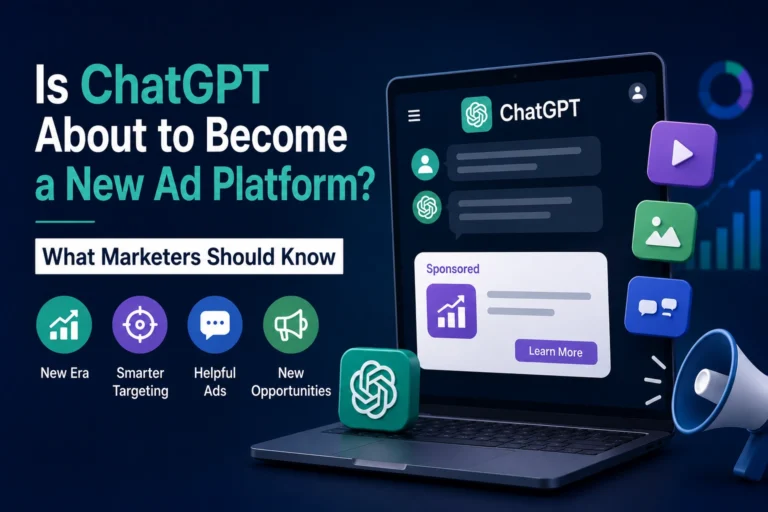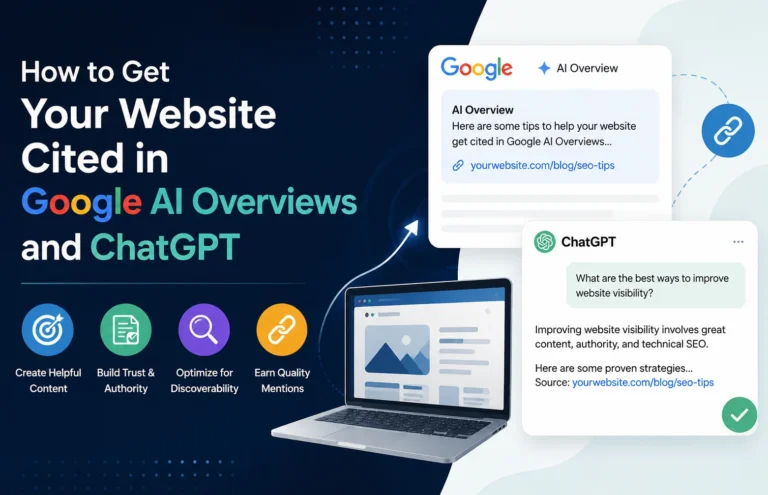
Yes, ChatGPT is gradually moving toward becoming an advertising platform. OpenAI has already started testing sponsored placements for eligible users and is hiring engineers to build image, video, native, and conversational ad formats. While advertising is still in its early stages, marketers should start preparing by focusing on AI-friendly content, strong brand authority, and conversational SEO.
Artificial intelligence is changing the way people search for information. Instead of typing keywords into Google, users are increasingly asking AI assistants to complete questions and expecting direct answers.
ChatGPT has become one of the fastest-growing AI platforms, and with millions of daily users, it’s attracting attention from advertisers worldwide. Recent reports suggest that OpenAI is expanding its advertising efforts beyond simple sponsored recommendations, pointing toward a future where image, video, and conversational ads may become part of the ChatGPT experience.
So, is ChatGPT about to become the next major advertising platform?
Let’s explore what is happening, what it means for businesses, and how marketers can prepare.
Why Is Everyone Talking About ChatGPT Ads?
For years, Google and Meta have dominated digital advertising because they capture user intent. People search for information, products, and services, making these platforms valuable for advertisers.
Now, ChatGPT is becoming another place where people research products, compare services, and ask buying questions.
As user behavior shifts toward AI-powered conversations, brands naturally want visibility inside those conversations.
According to recent reports, OpenAI has been hiring engineers specifically to develop new advertising formats, including:
- Image ads
- Video ads
- Native ads
- Conversational ads
These job postings strongly suggest that advertising will play a larger role in ChatGPT’s future.
Has OpenAI Already Started Testing Ads?
Yes.
OpenAI has officially confirmed that it is testing advertising for certain users. The company is experimenting with sponsored placements while aiming to maintain a positive user experience.
If you’d like to learn more about the official announcement, you can read OpenAI’s explanation here: Testing Ads in ChatGPT.
Current testing focuses on clearly labeled sponsored content rather than intrusive advertisements. Paid subscriptions remain ad-free, while selected free users may see sponsored recommendations.
How Could ChatGPT Advertising Work?
Although OpenAI hasn’t revealed every detail, current information suggests ads may appear differently from traditional search advertising.
Instead of keyword bidding alone, AI could display ads based on the context of an entire conversation.
For example:
A user asks:
“What’s the best CRM software for a small business?”
Instead of showing ten blue links, ChatGPT may provide an answer and then display a relevant sponsored recommendation underneath.
Future advertising formats could include:
- Sponsored product recommendations
- Native brand mentions
- Video demonstrations
- Interactive conversations
- Shopping suggestions
- Image-based advertisements
The experience is expected to feel more helpful than disruptive.
Why Does This Matter for Digital Marketers?
This isn’t just another advertising channel.
It’s a completely different way people discover businesses.
Traditional SEO focuses on ranking webpages.
AI search focuses on providing the best answer.
If ChatGPT becomes a major advertising platform, marketers will need strategies that combine:
- SEO
- AEO (Answer Engine Optimization)
- GEO (Generative Engine Optimization)
- Paid AI advertising
The brands that prepare early could gain a significant advantage.
What Should Businesses Start Doing Today?
Even if ChatGPT advertising is still evolving, there are several practical steps businesses can take now.
1. Create Answer-Focused Content
AI models prefer content that clearly answers user questions.
Instead of writing only keyword-focused blogs, create content that addresses:
- Frequently asked questions
- Product comparisons
- Step-by-step guides
- Industry insights
This improves visibility in both traditional search and AI-generated responses.
2. Build Brand Authority
AI systems often reference trusted sources.
Publishing expert content, case studies, original research, and helpful resources helps establish your business as a reliable authority.
Strong brand recognition may also improve your chances of appearing in AI-generated recommendations.
3. Optimize Beyond Google
Traffic will increasingly come from multiple AI platforms.
That means marketers should think beyond Google Search and optimize content that performs well in conversational AI experiences.
4. Monitor AI Search Trends
The AI landscape is changing rapidly.
Keeping up with new developments allows businesses to adapt before competitors do.
Industry publications such as Search Engine Journal regularly cover these updates, making them valuable resources for marketers following AI search trends.
Will ChatGPT Replace Google Ads?
Probably not.
At least not anytime soon.
Google still dominates web search and digital advertising. However, ChatGPT introduces a different way for users to discover information.
Many people now ask ChatGPT questions before visiting websites.
Instead of replacing Google Ads, ChatGPT advertising will likely become another important marketing channel alongside:
- Google Ads
- Meta Ads
- LinkedIn Ads
- Microsoft Advertising
- AI-powered advertising platforms
Smart marketers will diversify rather than rely on a single platform.
What Challenges Could Advertisers Face?
Like every new advertising platform, ChatGPT ads will come with challenges.
Some important questions remain unanswered:
- How will targeting work?
- How will advertisers measure ROI?
- How many sponsored results will appear?
- How will user privacy be protected?
- What industries will be eligible?
OpenAI has stated that user trust remains a priority, so advertising is expected to remain clearly identified and designed to avoid interrupting conversations.
How Can Vivid Digisolution Help Businesses Prepare?
The rise of AI search is changing digital marketing faster than many businesses expected.
Preparing now means investing in quality content, technical SEO, Answer Engine Optimization, and AI-ready digital strategies.
At Vivid Digisolution, we help businesses stay ahead of search trends by creating content that performs across traditional search engines and emerging AI platforms. As search continues to evolve, having a future-focused digital strategy will become more valuable than ever.
Final Thoughts
ChatGPT is steadily moving beyond being just an AI chatbot. With advertising tests already underway and new hiring focused on advanced ad formats, it’s clear that OpenAI sees advertising as part of its long-term strategy.
For marketers, this isn’t a reason to panic—it’s a reason to prepare.
Businesses that invest in authoritative content, conversational SEO, AI optimization, and user-focused experiences today will be in a stronger position as AI-powered advertising continues to evolve.
The future of digital marketing isn’t just about ranking on search engines anymore—it’s about being discoverable wherever people ask questions.
FAQs
1. Is ChatGPT becoming an advertising platform?
Yes. OpenAI has started testing sponsored placements for eligible users and is exploring new ad formats, indicating that advertising may become a larger part of the ChatGPT experience.
2. How will ChatGPT ads be different from Google Ads?
Unlike traditional keyword-based ads, ChatGPT ads are expected to be more conversational and context-aware, appearing naturally within AI-generated responses instead of standard search result pages.
3. How can businesses prepare for AI-powered advertising?
Businesses should focus on creating high-quality content, improving AEO (Answer Engine Optimization), building brand authority, and staying updated with AI search trends to remain visible in AI-driven platforms.
4. Will SEO still matter if ChatGPT introduces ads?
Absolutely. SEO will continue to play a key role, but marketers will also need to optimize content for AI assistants by providing clear, trustworthy, and conversational answers that AI models can reference.
5. Should marketers start including ChatGPT in their digital marketing strategy?
Yes. While ChatGPT advertising is still evolving, businesses that begin optimizing for AI search, conversational content, and future ad opportunities today will be better positioned as the platform grows.